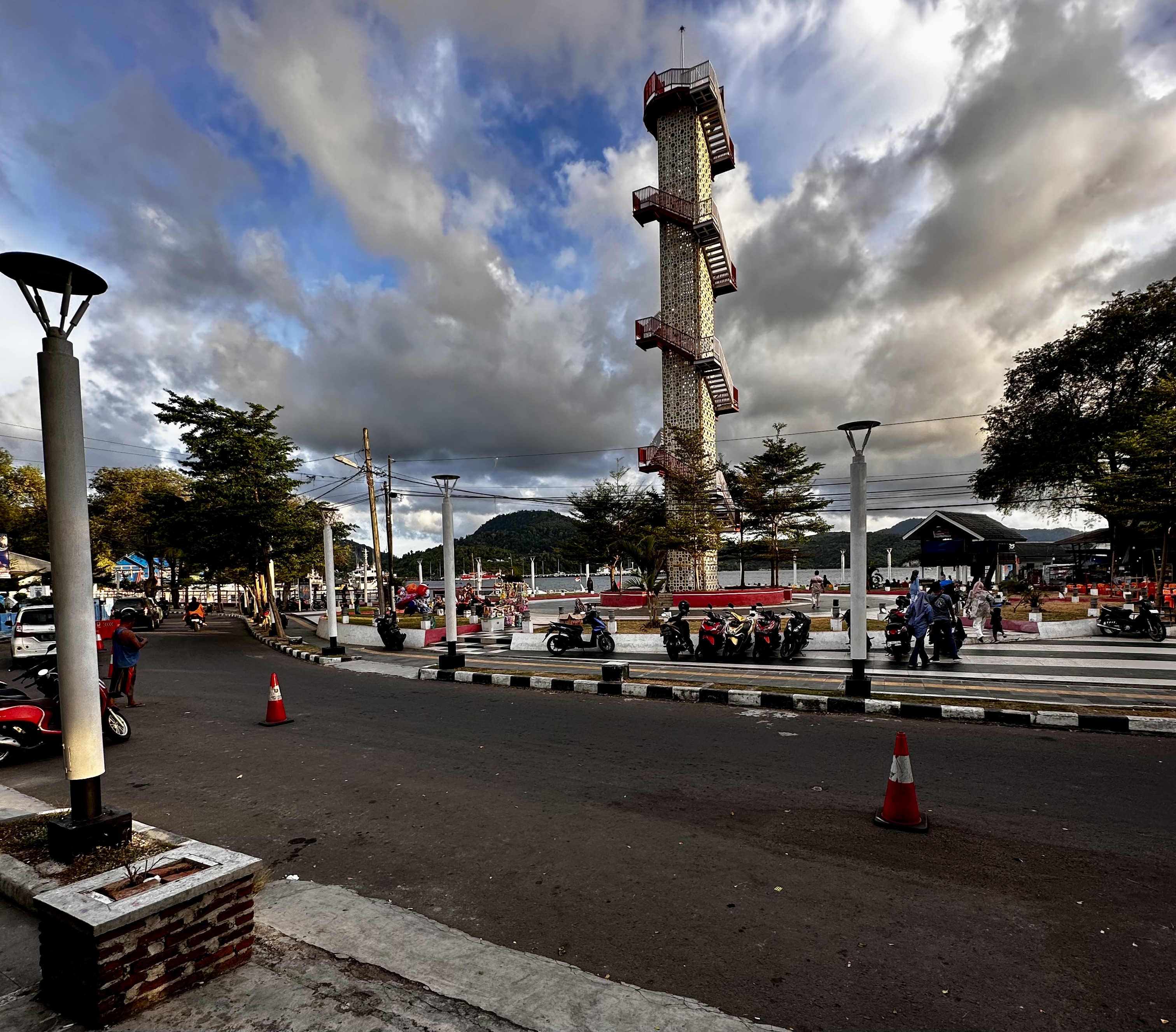
Bagian kedua dari tiga tulisan tentang PLTS Terapung dan Destination Statement Aceh. Di bagian pertama, Neraca yang Terlewat: Aceh Butuh Destination Statement Sebelum 2045, saya bercerita tentang Balanced Scorecard dan Business Model Canvas, dan kenapa Aceh perlu menulis Destination Statement, sebelum bicara Net Zero Emission 2045. Geotermal Seulawah Agam masih menunggu hingga sekitar 2032. Tapi ada satu ide lain yang kanvasnya sudah mulai diisi. Di Waduk Paya Seunara, Sabang, ada rencana PLTS Terapung yang sedang disiapkan sebagai contoh penerapan kerangka Destination Statement.
Sedikit mengingatkan: Destination Statement adalah cara generasi ketiga Balanced Scorecard bekerja (Ronchetti, 2006); tulis dulu, sedetail mungkin, mau jadi apa sebuah organisasi di satu titik waktu nanti, baru strategi dan kanvas bisnisnya disusun mundur dari sana. Di Waduk Paya Seunara, Kota Sabang, saya melihat kerangka ini sedang dicoba diterapkan, bukan lagi cuma di atas kertas akademis, tetapi dalam bentuk dokumen yang sedang disusun untuk dibawa ke meja negosiasi. Yang saya tulis di sini adalah kerangka berpikirnya, bukan kegiatan yang akan dilakukan.
My interest in clean energy and grid integration isn't new. A decade ago, at a clean energy seminar in Bandung, BPPT had already presented similar research on integrating renewable energy into the power grid, long before floating PLTS became the hot topic it is today.

“Renew of the Far West”
The Aceh Chapter of the Association of Indonesian Engineers, together with the Water Resources Professionals Association and Karst Aceh, is preparing a technical and business outreach forum to accelerate the Floating PLTS plan for the reservoir. Read through a Balanced Scorecard lens, this forum is, in effect, filling in the business canvas block by block, for real.
Draf Destination Statement-nya sudah ditulis: menjadikan Sabang ikon “Renew of the Far West”, penopang visi Green Industrial Park Aceh. Proposisi nilai yang diajukan cukup jelas: Sabang beroperasi di jaringan listrik terisolasi dengan biaya pokok produksi yang mahal, jadi menggantikan diesel dengan tenaga surya, kalau disetujui, bukan hanya basa-basi lingkungan, melainkan potensi penghematan riil bagi PLN dan tarif power purchase agreement yang tetap menarik bagi investor.
The planned forum is targeting the involvement of the Ministry of Public Works and Housing (PUPR), the Ministry of Energy and Mineral Resources (ESDM), PLN, BPKS Sabang, and prospective investors, but this is still at the stage of invitations and proposals, not a certainty that all parties have agreed to sit at the same table. Even if things proceed as planned, there's hope that the success of the Cirata Floating PLTS, the largest floating solar power plant in Southeast Asia (192 MWp), which uses less than 5 percent of its reservoir's surface area, can serve as a reference point for Sabang.
The Balance Sheet Rarely Discussed: the Water-Energy Nexus
Yang menarik, PLTS ini, apabila berjalan dan berhasil, akan memaksa satu neraca tambahan yang jarang dibicarakan dalam diskusi energi terbarukan: Water-Energy Nexus. Studi Bappeda Kota Sabang bersama Karst Aceh menemukan bahwa geologi Sabang, yang didominasi batuan piroklastik dan batu gamping, tidak menahan air tanah dalam waktu lama. Artinya, waduk itu merupakan infrastruktur air baku yang vital bagi kota, yang lokasi kosongnya bisa digunakan untuk panel surya.

The rules of the game from the Ministry of PUPR already anticipate this: under Minister of PUPR Regulation No. 7 of 2023 (perubahan kedua atas Permen PUPR No. 27/PRT/M/2015 tentang Bendungan), pemanfaatan ruang genangan waduk untuk PLTS terapung tidak boleh melebihi 20 persen dari luas permukaan genangan pada muka air normal, dan kalau melebihi itu, kajian teknisnya baru wajib mendapat rekomendasi Komisi Keamanan Bendungan. Inilah persis yang saya maksud dengan “etika dan ekosistem” di tulisan pertama: proposisi nilai finansial tidak boleh mengorbankan fungsi dasar infrastruktur bagi masyarakat sekitarnya. Kanvas bisnis yang baik menaruh batasan ini sebagai bagian dari desain, bukan sebagai “problem need to be solved” that surfaces later.
If this forum delivers what it's targeting, a memorandum of understanding, a letter of intent, all the way to an initial power purchase agreement, then Sabang will be proof that a Destination Statement-based business canvas isn't just viable on academic paper, but can actually work at a real negotiating table.
But the energy canvas, however sophisticated, only answers half the question. There's one other balance sheet that no one in Aceh has written yet, not about how electricity is made, but about how goods move in and out of this island and into the economic heart of Aceh Province. That story I'll write later.
Sources and References
- Ronchetti, J. L. (2006). An Integrated Balanced Scorecard Strategic Planning Model for Nonprofit Organizations. Journal of Practical Consulting.
- Persatuan Insinyur Indonesia Wilayah Aceh, Karst Aceh, dan Himpunan Profesional Sumber Daya Air (2025); Pemanfaatan Tampungan Waduk Sebagai Potensi Energi Terbarukan.
- Peraturan Presiden No. 112 Tahun 2022 tentang Percepatan Pengembangan Energi Terbarukan untuk Penyediaan Tenaga Listrik.
- Surat Edaran Direktur Jenderal Sumber Daya Air Kementerian PUPR No. 11/SE/D/2023 tentang Petunjuk Teknis Tata Cara Penyusunan Kajian Teknis Pembangkit Listrik Tenaga Surya Terapung.
Leave a Reply