The night before Eid al-Adha 1430 H, I hitched a car ride from Leipzig to Dresden through a service called Mitfahrgelegenheit, a kind of German-style ride-share where drivers split the empty seats in their car with other passengers to share the cost of the trip.
Experience Abroad: Germany
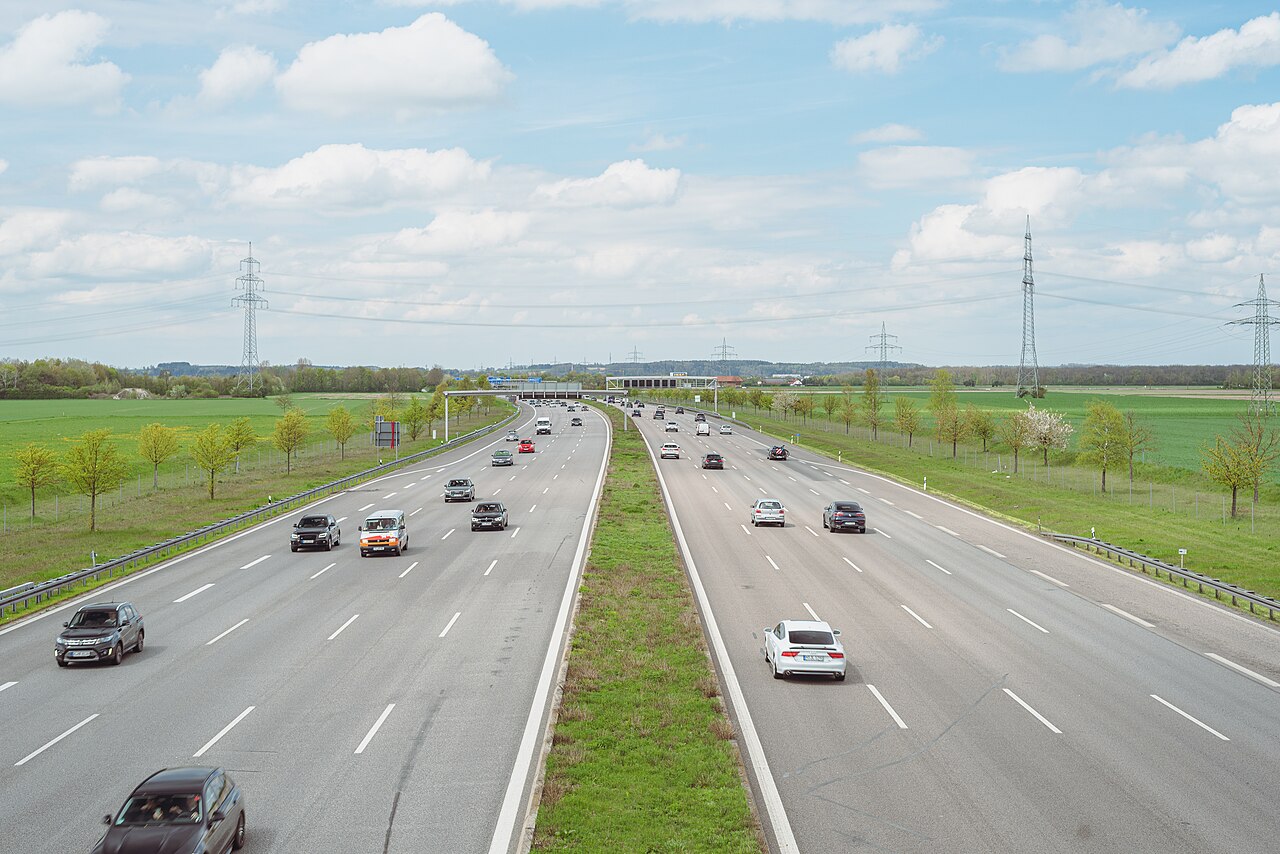
The driver that night, a middle-aged woman I called Frau Wagnitz, drove on the highway (Autobahn) at a speed that felt almost unbelievable to me, touching 180 km/h at one point. What made me feel safe rather than scared was how that high speed was balanced out by remarkably tight traffic discipline: every driver kept their distance, stayed in their lane, and gave each other room without needing to honk or race.
Throughout the trip, I couldn't stop comparing that scene to traffic conditions back home. In the few years before I left for Germany, I'd lost several friends to traffic accidents, in Bireuen, in the Seulawah area, in Bener Meriah. Accidents that, if you trace them back, often weren't really about fate at all, but came down to one thing: a system that wasn't serious enough about preparing drivers before sending them out onto the road.
Two Different Paths to Producing a Driver
That difference became clear when I compared the process of getting a Driving License (SIM) in the two countries. In Germany, getting a license is a long, expensive process, taking six to eight weeks, with costs that can run to around 1,500 Euros, covering dozens of hours of strict theory and practical training. But in return, the license is valid for life, and more importantly, drivers who pass have genuinely had their competence tested.
Compare that to my own experience getting my first license in Indonesia at age 18, a process that was far shorter, far cheaper, and, frankly, came with enough administrative “wiggle room” that actual driving competence was rarely genuinely tested.
This isn't just about bureaucracy. It's about how a country understands the value of its citizens' safety on the road. A strict process up front is an investment that prevents far costlier losses later on, including the loss of friends' lives, friends I should still be able to see today.
I hope that one day, traffic that's genuinely friendly and safe for the people who use it will also fully arrive on our own soil, our beloved Aceh.
Leave a Reply